

Your Professional OEM Solar Energy Parts Supplier
SinoLaser Technology Co., Ltd., founded in 2009 and located in Suzhou, Jiangsu Province, China-just a short distance from the international metropolis of Shanghai-is a professional manufacturer specializing in high-precision sheet metal fabrication. We provide comprehensive sheet metal solutions across industries such as machinery manufacturing, electronics, telecommunications, and automation.we are committed to becoming a leading global supplier and a trusted long-term partner in the sheet metal fabrication industry.
-
![Solar Panel Mounting Frames]() Solar Panel Mounting FramesSolar Panel Mounting Frames are durable, precision-engineered structures designed to securely support solar panels in residential, commercial, and industrial solar energy systems. Made fromread more
Solar Panel Mounting FramesSolar Panel Mounting Frames are durable, precision-engineered structures designed to securely support solar panels in residential, commercial, and industrial solar energy systems. Made fromread more -
![Solar Panel Steel Parts]() Solar Panel Steel PartsSolar Panel Steel Parts are precision-engineered components designed to support, secure, and optimize solar panel installations in residential, commercial, and industrial solar systems. Made fromread more
Solar Panel Steel PartsSolar Panel Steel Parts are precision-engineered components designed to support, secure, and optimize solar panel installations in residential, commercial, and industrial solar systems. Made fromread more -
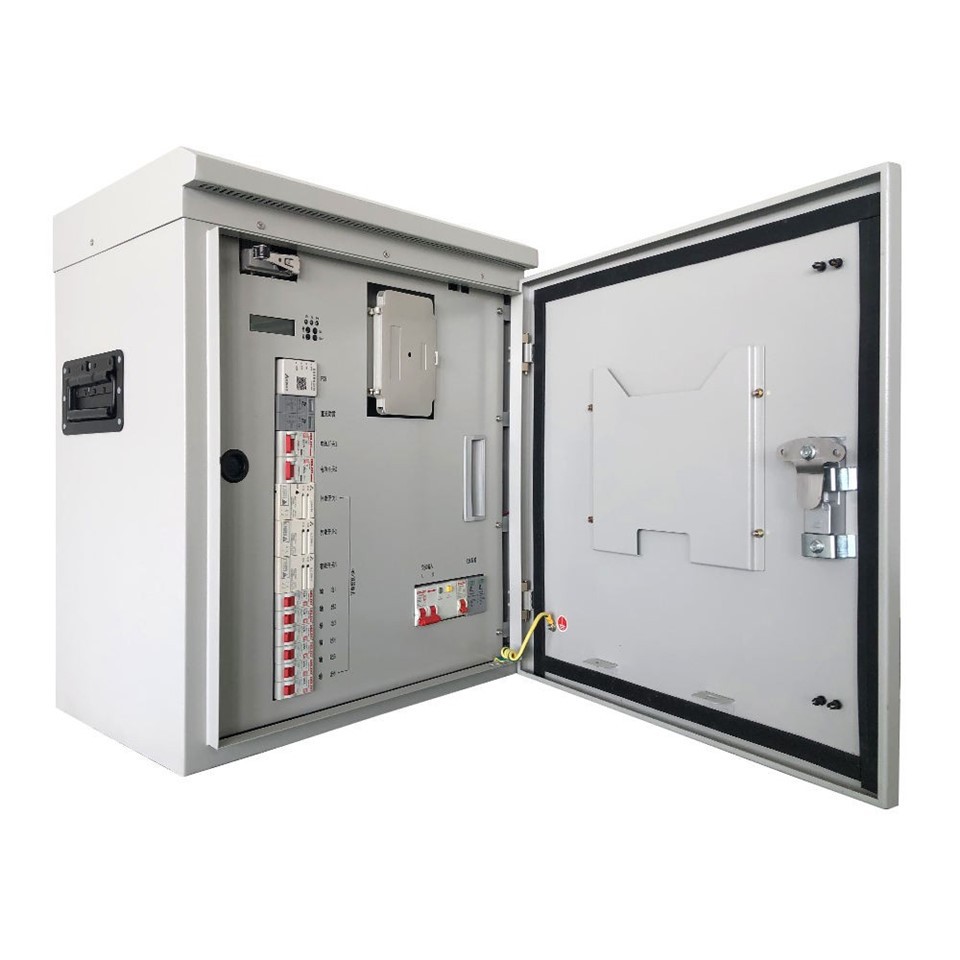
![Solar Battery Cabinets]() Solar Battery CabinetsSolar Battery Cabinets are robust, precision-engineered enclosures designed to house and protect solar energy storage batteries. Constructed from high-quality steel or aluminum, these cabinetsread more
Solar Battery CabinetsSolar Battery Cabinets are robust, precision-engineered enclosures designed to house and protect solar energy storage batteries. Constructed from high-quality steel or aluminum, these cabinetsread more -
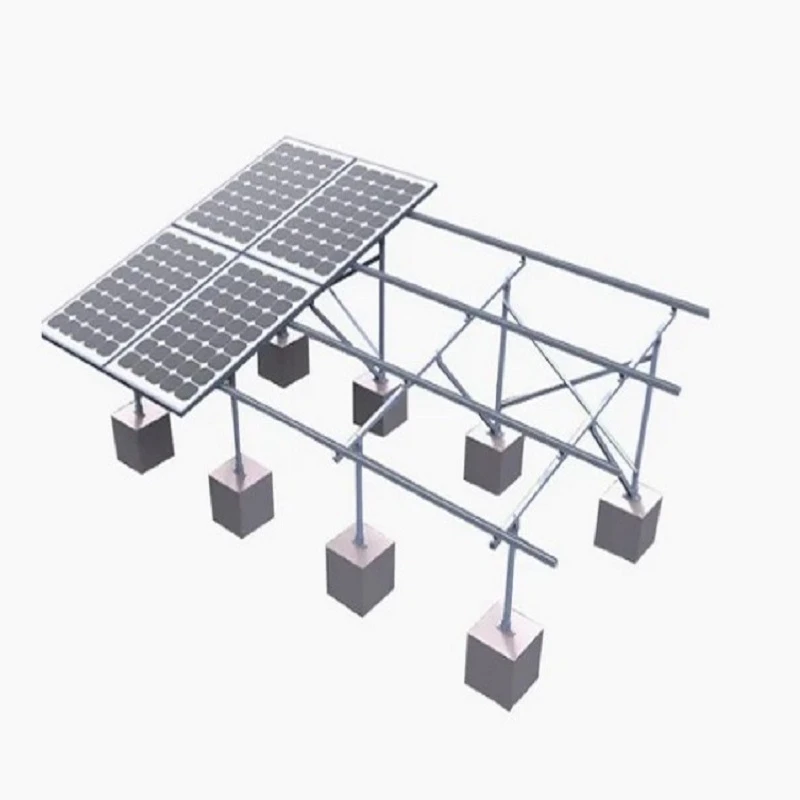
![Solar Panel Ground Mount Rack]() Solar Panel Ground Mount RackSolar Panel Ground Mount Racks are robust, precision-engineered structures designed to support solar panels on the ground for residential, commercial, and industrial solar energy systems. Made fromread more
Solar Panel Ground Mount RackSolar Panel Ground Mount Racks are robust, precision-engineered structures designed to support solar panels on the ground for residential, commercial, and industrial solar energy systems. Made fromread more -
![Solar Inverter Parts]() Solar Inverter PartsSolar Inverter Parts are precision-engineered components designed to ensure the optimal performance and reliability of solar inverters in residential, commercial, and industrial solar energy systems.read more
Solar Inverter PartsSolar Inverter Parts are precision-engineered components designed to ensure the optimal performance and reliability of solar inverters in residential, commercial, and industrial solar energy systems.read more


Why Choose Us
Production Market
SinoLaser Technology Co., Ltd.'s products are exported to key markets worldwide, primarily including Europe, America, Southeast Asia, the Middle East, and Africa.
Quality Assurance
Adheres to international quality management systems, with unconditional rework for any quality issues to safeguard customer interests and product reliability.
Professional Team
Our professional R&D team continuously drives technological innovation to meet the evolving needs of our clients.
Our Service
SinoLaser Technology Co., Ltd. upholds the service philosophy of "Customer First," providing comprehensive pre-sales, in-sales, and after-sales support to ensure the best customer experience and satisfaction.
Advantages of Solar Panel Steel Parts


Solar energy is clean & green energy
There is some pollution during electricity generation or other sources of energy and it damages the environment due to pollution. On the other hand, there is no such difficulty in the origin of solar energy.
Not dependent on other sources of Energy
After solar energy came into existence and its increased use, the pressure on other energy sources has come down, which is a good sign for both the ecosystem and the environment.
Non-maintenance
Solar power systems do not require much maintenance. Just needs to be cleaned twice every year, but it should be kept in mind that cleaning should always be done by experts who know this work well. Inverters are also a part of the system, to be replaced in five to 10 years, that is, very little is spent on maintenance and repair work in addition to the initial cost.
Safer than Other
Solar power is more secure than conventional power sources, whether it is for use or maintenance and repair.
Renewable Energy
Solar energy is actually a source of renewable energy. It can be used in every corner of the world, i.e. it is always available. Solar energy is a never-ending energy source
Electricity Bill Reduction
Since you will meet all your energy needs with electricity generated from solar energy, you will get relief from the huge cost of the electricity bill. How much you can save on your bill depends on your needs.
Maximum Usage
Solar energy is used for various purposes. Anything can generate electricity or heat (solar thermal) by solar energy. Can deliver electricity to areas without electricity, use it in factories, supply clean water, use it in household chores, use for space satellites.
Technology Development
Industrial growth has increased due to the ever-increasing use of solar energy and it is expected to grow rapidly in the future.
What Are the Metals Used in Solar Panel Steel Parts
Copper: The Backbone of Solar Panel Connectivity
Copper is the core material of solar panels. This is due to its exceptionally high electrical conductivity and ability to withstand harsh conditions. The primary use of copper is in the wiring and interconnections of a solar panel system, supporting the efficient transfer of electricity created by the photovoltaic cells.
Silver: The Conductive Element
Silver is used to improve the efficiency of solar cells. It is used for conductive layers on the photovoltaic cells for collecting and transmitting the electrical current generated from sunlight. Silver’s superior conductive ability gives it an increased potential for energy conversion.
Zinc: The Protective Layer
Zinc is commonly found in the production of solar panels because of its protective abilities. It is applied as a coating, usually through galvanization, to protect metal components that are prone to corrosion and environmental damage.
Aluminum: The Lightweight Support
Aluminum is utilized in the solar panel’s frames and mounting structures due to its combination of having a lightweight nature while offering excellent durability. The overall weight of the solar panels is reduced due to aluminum’s lightweight, thus making it far easier to install.
Stainless Steel: The Durable Foundation
Stainless steel is frequently used for solar panel mounting and support systems. Like aluminum, stainless steel also boasts great strength and corrosion resistance properties, allowing it to provide stable and secure components in various environmental conditions.
Building the solar cells
The primary components of a solar panel are its solar cells. P-type or n-type solar cells mix crystalline silicon, gallium, or boron to create silicon ingot. When phosphorus is added to the mix, the cells can conduct electricity. The silicon ingot is then cut into thin sheets and coated with an anti-reflective layer. Then, narrow slits are cut in the cells to funnel the flow of electricity.
Solder solar cells together to create a panel
After the phosphorus gives the silicon wafers their electrical charge, metal connectors link each solar cell in a process called soldering. The number of cells soldered together depends on how big the solar panel is manufactured. For reference, 60 cell-panels are standard size, and 72-cell panels are generally used for commercial projects.
Install a back sheet, front glass layer, and frame
A back sheet is installed to the bottom of the solar cells for protection, usually made from an ultra-durable plastic material. Next, a thin glass sheet is installed on top of the solar cells to filter the sunshine into the solar cells. These parts are held together by ethylene vinyl acetate (EVA) glue. All these components are confined by a metal frame that latches onto mounting clamps on your roof.
Install the junction box
The junction box protects a solar panel's wiring from damage to keep the flow of electricity moving from the panel to its inverter, preventing electricity from reversing direction. This functionality is essential when a solar panel isn't producing electricity because that panel will try to consume energy instead. The junction box doesn't allow any reversal of electric flow, so your solar panels can function correctly.
Quality testing
Each solar panel to hit the market is tested under Standard Test Conditions (STC) to ensure that the panels meet their projected outputs, efficiencies, and everything else the manufacturer promises in their technical specification sheet. Panels are put into a flash tester where "standard” conditions are simulated: 1000W/m2 irradiance, 25°C cell temperature, and an air mass of 1.5g.
Solar Cells
Solar cells are the main components of a solar panel. Also known as photovoltaic (PV) cells, they are made up of a semiconducting material, often silicon. They do not trigger chemical reactions like batteries and do not require fuel to create energy.
EVA Film
Another critical part of a solar panel is the EVA (ethylene vinyl acetate) film. This transparent sheet is laminated over both sides of the solar cells.
Solar Glass
Along with the EVA sheet, a sturdy layer of tempered glass protects the delicate PV cells. This transparent glass barrier is usually between 3 and 4mm thick and keeps out wind, snow, rain, dirt, and debris.
Back Sheet
Of all parts of a solar panel, the back sheet plays the most important role in preventing overheating. This sheet connects the back of a solar panel to the mounting surface and ensures the system's structural integrity.
Aluminum Frame
The frame holds the laminated solar cells in place. It is usually made from aluminum—the lightweight material is extremely sturdy and can withstand extreme pressure and harsh weather conditions.
Junction Box
The junction box is where the cables that connect different panels are attached. It is a crucial stop in the transfer of energy from the PV cells to the inverter. The box also prevents energy from feeding back into the panels.
Orders Workflow
Initial Consultation & Design Review
We begin by discussing your project’s goals and reviewing the design to ensure it’s optimized for the specific manufacturing process.
Material Selection
Our experts assist in selecting the right materials for your product based on performance requirements and compatibility with the manufacturing process. The correct material choice ensures durability, cost-effectiveness, and the desired product functionality.
Design & Engineering
Using advanced CAD and simulation tools, we develop a custom design for your project. This step ensures precise details and identifies potential challenges early in the process, optimizing the design for efficient manufacturing.
Prototyping & Sample Testing
A prototype or sample is created to verify design accuracy, functionality, and performance. Rigorous testing is conducted to ensure the product meets your specifications before moving into full-scale production.
Production Setup & Initial Production
We set up the required machines, molds, or tools for the manufacturing process. The initial production run is performed to confirm the setup, assess quality, and fine-tune settings for optimal results.
Final Production & Quality Control
After final approval, we proceed with full-scale production, ensuring continuous quality checks. Comprehensive inspections at each stage ensure that every part meets the highest standards before delivery.
FAQ
We're well-known as one of the leading oem solar energy parts manufacturers and suppliers in China. Please feel free to buy high quality oem solar energy parts at competitive price from our factory. Contact us for free sample and cheap products.
Solar Inverter Parts, Solar Battery Cabinets, Custom Metal Racking Systems for Solar Panels