

As a supplier of Electrical Control Cabinet Boxes, I understand the critical importance of protecting these essential components from chemical corrosion. Electrical control cabinet boxes house sensitive electrical equipment, and any form of corrosion can lead to malfunctions, safety hazards, and costly downtime. In this blog post, I will share some effective strategies and best practices to safeguard electrical control cabinet boxes from chemical corrosion.
Understanding the Threat of Chemical Corrosion
Chemical corrosion occurs when metal surfaces react with chemicals in the environment. These chemicals can include acids, alkalis, salts, and various industrial pollutants. In industrial settings, control cabinet boxes are often exposed to harsh chemicals during manufacturing processes, cleaning operations, or in areas with high humidity and chemical fumes. Corrosion can weaken the structural integrity of the cabinet, damage electrical components, and compromise the overall performance of the electrical system.
Material Selection
The first line of defense against chemical corrosion is choosing the right materials for the control cabinet box. Here are some options:
Stainless Steel
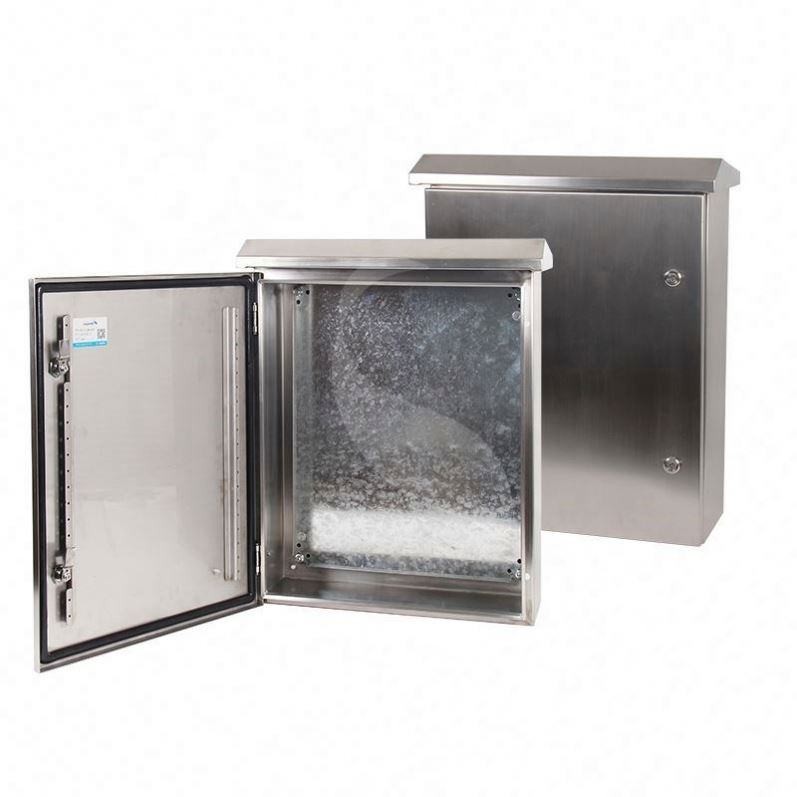
Stainless steel is an excellent choice for environments prone to chemical exposure. It contains chromium, which forms a passive oxide layer on the surface, protecting it from corrosion. Stainless Steel Electrical Box Enclosure offers high resistance to a wide range of chemicals, including acids and alkalis. Different grades of stainless steel are available, with 304 and 316 being the most commonly used. Grade 316 contains molybdenum, which provides enhanced corrosion resistance in chloride-rich environments, such as coastal areas or places with saltwater exposure.
Fiberglass Reinforced Plastic (FRP)
FRP is a lightweight and corrosion-resistant material. It is non-conductive, making it suitable for electrical applications. FRP control cabinet boxes are resistant to many chemicals, including acids, alkalis, and solvents. They are also immune to rust and can withstand harsh environmental conditions. However, FRP may have limitations in high-temperature applications.
Powder-Coated Steel
Powder coating is a process where a dry powder is applied to the surface of the steel cabinet and then cured under heat. This creates a durable and protective finish that can resist chemical corrosion. Powder-coated steel cabinets are cost-effective and offer good protection against mild to moderate chemical exposure. However, the coating can be damaged if scratched, exposing the underlying steel to corrosion.
Surface Treatment
In addition to choosing the right material, surface treatment can further enhance the corrosion resistance of the control cabinet box.
Galvanization
Galvanizing is a process of coating steel with a layer of zinc. Zinc acts as a sacrificial anode, protecting the steel from corrosion. Hot-dip galvanizing is a common method where the steel is dipped into a bath of molten zinc. This creates a thick and durable zinc coating that provides long-term protection against corrosion. Galvanized steel cabinets are suitable for outdoor and industrial environments with moderate chemical exposure.
Passivation
Passivation is a chemical treatment used to remove free iron from the surface of stainless steel and enhance the formation of the passive oxide layer. This process improves the corrosion resistance of stainless steel, especially in environments with low levels of oxygen. Passivated stainless steel cabinets are more resistant to pitting and crevice corrosion.
Epoxy Coating
Epoxy coatings are widely used to protect metal surfaces from chemical corrosion. They provide a hard, durable, and chemical-resistant barrier. Epoxy coatings can be applied to various materials, including steel and stainless steel. They are available in different formulations to suit specific chemical environments. For example, some epoxy coatings are designed to resist acids, while others are more suitable for alkaline environments.
Environmental Control
Controlling the environment around the control cabinet box can significantly reduce the risk of chemical corrosion.
Ventilation
Proper ventilation is essential to remove chemical fumes and moisture from the cabinet. In industrial settings, fumes from chemicals can accumulate inside the cabinet, leading to corrosion. Installing ventilation fans or vents can help maintain a clean and dry environment. Make sure the ventilation system is designed to prevent the entry of dust and debris.
Humidity Control
High humidity can accelerate the corrosion process. Using dehumidifiers or moisture absorbers inside the cabinet can help maintain a low humidity level. In outdoor applications, cabinets should be designed to prevent water ingress. This can include using gaskets, seals, and proper drainage systems.
Chemical Isolation
If possible, isolate the control cabinet box from sources of chemical exposure. This can be achieved by installing the cabinet in a separate room or area with proper ventilation and containment. In industrial plants, cabinets can be located away from chemical storage areas or production processes that generate chemical fumes.
Regular Inspection and Maintenance
Regular inspection and maintenance are crucial to ensure the long-term protection of the control cabinet box from chemical corrosion.
Visual Inspection
Perform regular visual inspections of the cabinet to check for signs of corrosion, such as rust, discoloration, or pitting. Inspect the surface, seams, and joints for any damage or signs of wear. Pay special attention to areas where the coating may have been damaged or where moisture may accumulate.
Cleaning
Clean the cabinet regularly to remove dirt, dust, and chemical residues. Use a mild detergent and a soft cloth or brush to clean the surface. Avoid using abrasive cleaners or tools that can damage the coating. After cleaning, dry the cabinet thoroughly to prevent moisture from causing corrosion.
Repair and Replacement
If any signs of corrosion or damage are detected during the inspection, take immediate action to repair or replace the affected parts. For minor damage, the coating can be repaired by sanding and reapplying the appropriate coating. For more severe damage, it may be necessary to replace the entire cabinet or component.

Conclusion
Protecting electrical control cabinet boxes from chemical corrosion is essential to ensure the reliable operation of electrical systems. By choosing the right material, applying appropriate surface treatments, controlling the environment, and performing regular inspection and maintenance, you can significantly extend the lifespan of the cabinet and reduce the risk of costly downtime. As a supplier of Industrial Control Cabinets and Electrical Panel Enclosures Box, I am committed to providing high-quality products and expert advice to help you protect your electrical equipment from chemical corrosion. If you have any questions or need further information, please feel free to contact me for a procurement discussion.
References
- ASM Handbook, Volume 13A: Corrosion: Fundamentals, Testing, and Protection
- NACE International: Corrosion Basics: An Introduction
- ISO 12944: Paints and varnishes -- Corrosion protection of steel structures by protective paint systems