

As a supplier of Electrical Control Cabinet Boxes, I understand the critical importance of protecting these essential components from mechanical damage. Electrical control cabinet boxes house sensitive electrical equipment, and any mechanical damage can lead to malfunctions, downtime, and even safety hazards. In this blog post, I will share some effective strategies to safeguard electrical control cabinet boxes from mechanical harm.
1. Choose the Right Cabinet Material and Design
The first step in protecting an electrical control cabinet box is to select the appropriate material and design. High - quality materials such as stainless steel, aluminum, or heavy - gauge steel offer excellent durability and resistance to impact. Stainless steel, for instance, is corrosion - resistant and can withstand harsh environmental conditions.
When it comes to design, opt for cabinets with reinforced corners and edges. These features can absorb and distribute the force of an impact, reducing the risk of damage to the internal components. Additionally, cabinets with a well - designed frame structure can provide better support and stability.
If you are looking for high - quality options, our IP65 Electrical Box is a great choice. It is designed to offer superior protection against dust and water, and its robust construction makes it resistant to mechanical damage.
2. Install Protective Barriers
Installing protective barriers around the electrical control cabinet box is an effective way to prevent accidental impacts. These barriers can be made of materials such as plastic, rubber, or metal. For example, rubber bumpers can be attached to the corners of the cabinet to absorb the shock of a collision.
In industrial settings, metal guardrails can be installed around the cabinet to create a physical barrier. This not only protects the cabinet from being hit by moving equipment but also restricts unauthorized access.

3. Implement Proper Mounting and Support
Proper mounting and support are crucial for the long - term protection of an electrical control cabinet box. Ensure that the cabinet is securely mounted to a stable surface. Use appropriate mounting hardware such as bolts and brackets that are rated for the weight and size of the cabinet.
If the cabinet is installed in a location where it may be subject to vibrations, consider using vibration - isolating mounts. These mounts can reduce the transfer of vibrations to the cabinet, which can otherwise cause internal components to loosen or break over time.
4. Provide Adequate Clearance
Maintaining adequate clearance around the electrical control cabinet box is essential. This allows for easy access for maintenance and reduces the risk of the cabinet being accidentally bumped or damaged. A general rule of thumb is to leave at least 18 - 24 inches of clearance on all sides of the cabinet.
In addition, ensure that there are no obstructions in the vicinity of the cabinet, such as stored materials or equipment. This will prevent any objects from falling onto the cabinet and causing damage.
5. Regular Inspections and Maintenance
Regular inspections and maintenance are key to detecting and preventing mechanical damage. Conduct visual inspections of the cabinet on a regular basis to check for signs of wear, dents, or cracks. Look for loose screws, damaged hinges, or any other issues that could compromise the integrity of the cabinet.
If any damage is detected, address it immediately. This may involve repairing or replacing damaged parts. Regularly lubricating moving parts such as hinges and latches can also extend the lifespan of the cabinet and prevent mechanical failures.
6. Training and Awareness
Proper training and awareness among employees are vital in protecting electrical control cabinet boxes. Ensure that all personnel who work in the vicinity of the cabinets are aware of the importance of protecting them from mechanical damage. Provide training on how to handle equipment safely and avoid accidental collisions with the cabinets.
Establish clear safety protocols and guidelines for working around the cabinets. For example, prohibit the use of sharp tools near the cabinets and ensure that all equipment is properly stored and secured.
7. Consider Environmental Factors
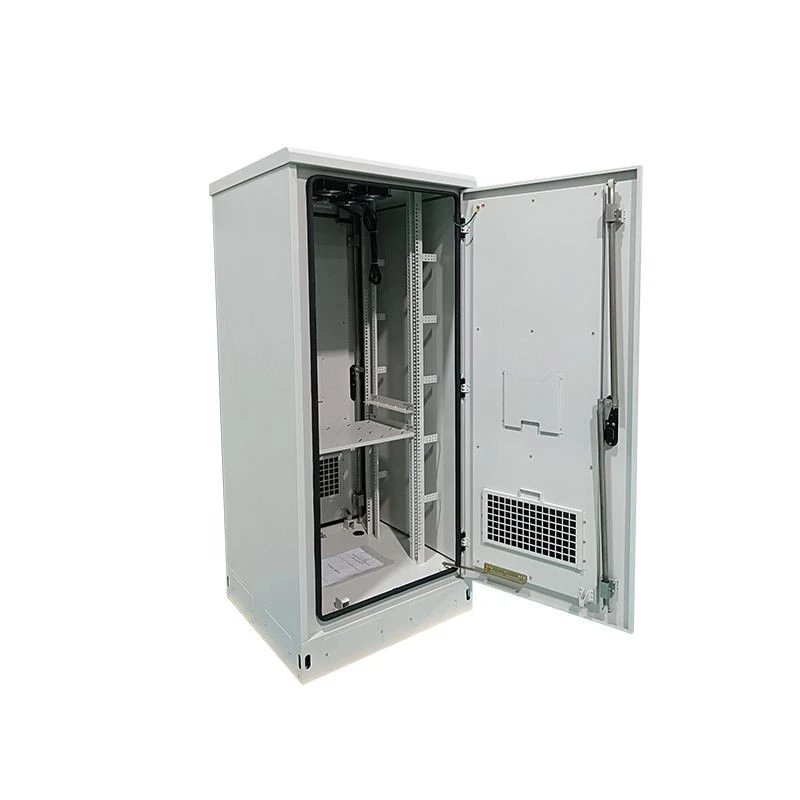
Environmental factors can also contribute to mechanical damage. For outdoor applications, our Outdoor Electrical Enclosure Box and Outdoor Waterproof Electrical Enclosure Box are designed to withstand various weather conditions. However, factors such as strong winds, heavy rain, and extreme temperatures can still pose a risk.
In areas prone to high winds, consider installing additional bracing or anchoring the cabinet to the ground. In cold climates, ensure that the cabinet is properly insulated to prevent damage from freezing temperatures.
Conclusion
Protecting an electrical control cabinet box from mechanical damage is a multi - faceted process that requires careful planning, proper installation, and regular maintenance. By following the strategies outlined in this blog post, you can significantly reduce the risk of mechanical damage and ensure the reliable operation of your electrical equipment.
If you are in the market for high - quality electrical control cabinet boxes or need further advice on protecting them, we are here to help. Our team of experts can provide you with the best solutions tailored to your specific needs. Contact us today to start a discussion about your requirements and explore how we can assist you in safeguarding your electrical systems.
References
- Electrical Installation Handbook, Schneider Electric
- National Electrical Code (NEC) standards