

Hey there! As a supplier of Outdoor Battery Enclosures, I've seen firsthand how crucial it is to secure these enclosures properly to the ground. Not only does it protect your valuable battery equipment from theft and damage, but it also ensures the safety of the surrounding area. In this blog post, I'll share some tips and tricks on how to secure outdoor battery enclosures to the ground effectively.
Why Securing Outdoor Battery Enclosures Matters
Before we dive into the how-to part, let's talk about why securing outdoor battery enclosures is so important. First off, batteries are expensive, and you don't want them to go missing. A well-secured enclosure can act as a deterrent to thieves, reducing the risk of your batteries being stolen.
Secondly, outdoor battery enclosures are often exposed to various environmental factors like strong winds, heavy rain, and even earthquakes in some regions. If the enclosure isn't properly secured, it could be easily knocked over or damaged, leading to costly repairs or replacements.
Lastly, safety is a major concern. Batteries can be hazardous if not handled correctly. A stable and secure enclosure helps prevent accidental spills or leaks, which could pose a risk to people and the environment.
Choosing the Right Location
The first step in securing your outdoor battery enclosure is choosing the right location. You want to pick a spot that is flat, stable, and away from any potential hazards. Avoid areas prone to flooding, as water can damage the batteries and the enclosure. Also, make sure the location is easily accessible for maintenance and monitoring.
Once you've found the perfect spot, mark the area where the enclosure will be placed. This will help you ensure that the enclosure is installed in the right position and that the securing methods are applied correctly.
Ground Anchoring
One of the most common ways to secure an outdoor battery enclosure to the ground is through ground anchoring. There are several types of ground anchors available, each with its own advantages and disadvantages.
Helical Anchors
Helical anchors are a popular choice for securing outdoor structures. They consist of a helix-shaped plate attached to a shaft. To install a helical anchor, you simply screw it into the ground using a specialized tool. The helix design provides excellent holding power, making it suitable for various soil types.
Helical anchors are relatively easy to install and can be removed if needed. However, they can be more expensive than other types of anchors, and you may need to hire a professional to install them correctly.
Deadman Anchors
Deadman anchors are another option for securing outdoor battery enclosures. These anchors are typically made of concrete or steel and are buried in the ground. They work by using the weight of the soil above them to provide stability.
Deadman anchors are cost-effective and can provide a high level of security. However, they require more excavation work and may not be suitable for all soil types. Additionally, once they are installed, they are difficult to remove.
Wedge Anchors
Wedge anchors are commonly used for securing objects to concrete surfaces. They consist of a threaded bolt with a wedge-shaped end. To install a wedge anchor, you drill a hole in the concrete, insert the anchor, and then tighten the nut. The wedge expands, creating a secure hold.
Wedge anchors are easy to install and are relatively inexpensive. However, they are only suitable for concrete surfaces and may not provide as much holding power as other types of anchors.
Using Straps and Chains
In addition to ground anchoring, you can also use straps and chains to secure your outdoor battery enclosure. Straps and chains can be used to tie the enclosure to a fixed object, such as a post or a wall.
When using straps and chains, make sure they are strong enough to withstand the weight of the enclosure and any external forces. You should also use a padlock or a similar locking device to prevent the straps and chains from being easily removed.
Securing the Enclosure Doors
Another important aspect of securing an outdoor battery enclosure is securing the doors. The doors are the most vulnerable part of the enclosure, as they are the entry point for thieves.
To secure the doors, you can use a high-quality lock. Look for a lock that is resistant to picking and tampering. You can also install a security alarm system on the doors to alert you if someone tries to break in.
Regular Inspections and Maintenance
Once you've secured your outdoor battery enclosure to the ground, it's important to conduct regular inspections and maintenance. Check the anchors, straps, and chains for any signs of damage or wear. Make sure the doors are still secure and that the lock is working properly.
Regular maintenance can help you identify and address any issues before they become major problems. It can also extend the lifespan of your battery enclosure and ensure that it continues to provide reliable protection for your batteries.
Conclusion
Securing your outdoor battery enclosure to the ground is an essential step in protecting your investment and ensuring the safety of your batteries. By choosing the right location, using the appropriate ground anchoring methods, and securing the doors, you can significantly reduce the risk of theft, damage, and environmental hazards.
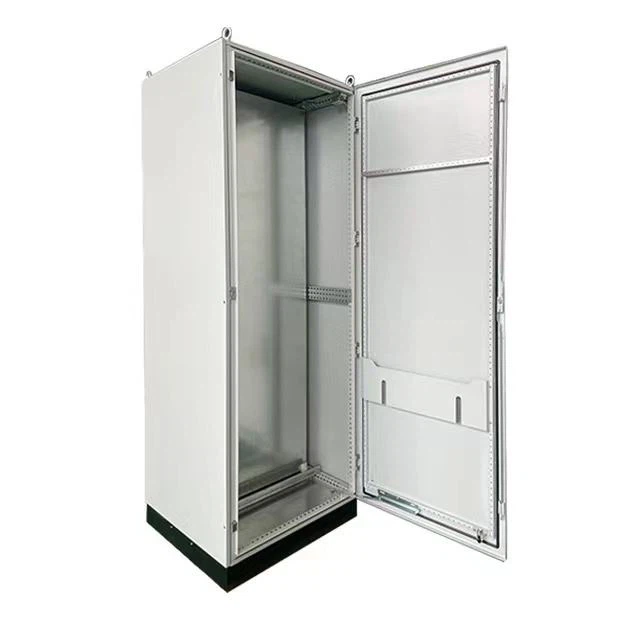

If you're in the market for a high-quality Battery Storage Cabinet, Lithium Battery Cabinet, or Battery Enclosure, look no further. We offer a wide range of outdoor battery enclosures that are designed to meet your specific needs and requirements.
If you have any questions or would like to discuss your options, don't hesitate to reach out. We're here to help you find the perfect solution for your battery storage needs. Let's work together to ensure your batteries are safe and secure.
References
- "Guide to Ground Anchoring Systems" - Outdoor Equipment Magazine
- "Securing Outdoor Structures: Best Practices" - Construction Today
- "Battery Enclosure Safety and Security" - Energy Storage Journal