

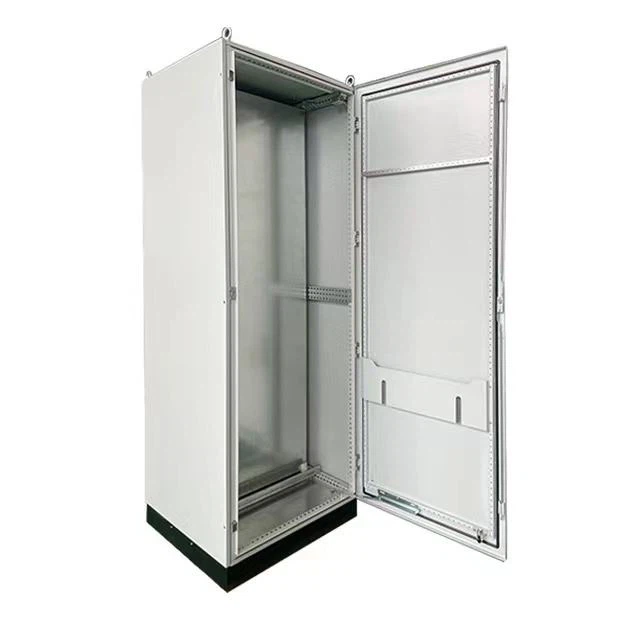
In the realm of energy storage, a weatherproof battery enclosure serves as a crucial safeguard for batteries, protecting them from the harsh elements and ensuring their optimal performance and longevity. As a dedicated supplier of Battery Enclosure, Solar Battery Enclosure, and Outdoor Battery Enclosures, we understand the significance of certifications in guaranteeing the quality and reliability of these enclosures. In this blog post, we will delve into the essential certifications that a good weatherproof battery enclosure should possess.
IP Rating Certification
One of the most fundamental certifications for a weatherproof battery enclosure is the Ingress Protection (IP) rating. The IP rating is an international standard that classifies the degree of protection provided by an enclosure against the intrusion of solid objects (such as dust) and liquids (such as water). It consists of two digits: the first digit indicates the level of protection against solid objects, and the second digit represents the level of protection against liquids.
For a weatherproof battery enclosure, a high IP rating is essential to ensure that it can withstand various environmental conditions. An enclosure with an IP65 rating or higher is typically recommended. The "6" in the IP65 rating means that the enclosure is completely dust - tight, preventing any dust particles from entering and potentially damaging the batteries. The "5" indicates that the enclosure is protected against water jets from any direction, which is crucial for outdoor applications where the enclosure may be exposed to rain, splashing water, or even high - pressure water cleaning.
UL Certification
Underwriters Laboratories (UL) certification is another highly regarded certification in the industry. UL is a global independent safety science company that conducts rigorous testing on products to ensure they meet specific safety standards. A weatherproof battery enclosure with UL certification has been tested for various safety aspects, including electrical safety, fire resistance, and mechanical integrity.
UL 94 is a common standard for plastic materials used in battery enclosures. It evaluates the flammability of the enclosure material. A UL 94 V - 0 rating is the highest level of flammability resistance, indicating that the material will self - extinguish within a short period after the ignition source is removed. This is crucial for preventing the spread of fire in case of a battery malfunction or other electrical issues.
UL 1703 is specifically for photovoltaic (PV) modules and battery enclosures used in solar energy systems. It ensures that the enclosure can safely house solar batteries and operate in a PV system without posing a fire or electrical hazard.
NEMA Certification
The National Electrical Manufacturers Association (NEMA) provides a set of standards for electrical enclosures. NEMA ratings are used to describe the environmental conditions under which an enclosure can operate safely. For weatherproof battery enclosures, NEMA 3R, NEMA 4, and NEMA 4X are commonly used ratings.
NEMA 3R enclosures are designed to protect against falling rain, sleet, and snow. They are suitable for outdoor applications where the main concern is protection from precipitation. NEMA 4 enclosures offer more comprehensive protection. They are dust - tight and watertight, protecting against wind - blown dust, rain, splashing water, and hose - directed water. NEMA 4X enclosures are similar to NEMA 4 but also provide protection against corrosion, making them ideal for harsh outdoor environments, such as coastal areas where the enclosure may be exposed to saltwater and high humidity.
CE Certification
CE (Conformité Européene) certification is a mandatory certification for products sold in the European Economic Area (EEA). It indicates that the product complies with all relevant European health, safety, and environmental protection directives. A weatherproof battery enclosure with CE certification has met the requirements of the Low Voltage Directive (LVD) and the Electromagnetic Compatibility (EMC) Directive.
The LVD ensures that the enclosure operates safely within the specified voltage range and does not pose an electrical hazard to users. The EMC directive requires that the enclosure does not generate excessive electromagnetic interference (EMI) and is also immune to external EMI. This is important to ensure that the enclosure does not interfere with other electrical equipment in the vicinity and can operate reliably in an electromagnetic environment.
IEC Certification
The International Electrotechnical Commission (IEC) develops and publishes international standards for all electrical, electronic, and related technologies. IEC standards are widely recognized and adopted around the world. For weatherproof battery enclosures, IEC 62443 is a relevant standard.
IEC 62443 focuses on industrial automation and control systems, including the security of electrical enclosures. It ensures that the enclosure can protect the batteries from unauthorized access, cyber - attacks, and other security threats. In today's digital age, where energy storage systems are increasingly connected to the grid and other networks, the security aspect of the battery enclosure is becoming more and more important.
RoHS Certification
The Restriction of Hazardous Substances (RoHS) directive restricts the use of certain hazardous substances in electrical and electronic equipment. A weatherproof battery enclosure with RoHS certification means that it does not contain substances such as lead, mercury, cadmium, hexavalent chromium, polybrominated biphenyls (PBBs), and polybrominated diphenyl ethers (PBDEs) above the specified limits.
This is not only important for environmental protection but also for the health and safety of users. By using RoHS - compliant enclosures, we can ensure that the products are more sustainable and less harmful to the environment during their production, use, and disposal.
Impact of Certifications on Product Quality and Marketability
Certifications play a vital role in determining the quality and marketability of a weatherproof battery enclosure. For customers, certifications provide assurance that the enclosure has been tested and meets specific safety and performance standards. A certified enclosure is more likely to be trusted by customers, especially in industries where safety and reliability are of utmost importance, such as the solar energy and utility sectors.
From a market perspective, having these certifications can open up new business opportunities. Many large - scale projects, whether they are solar farms, grid - connected energy storage systems, or industrial applications, require suppliers to provide products with specific certifications. By offering certified weatherproof battery enclosures, we can expand our customer base and compete more effectively in the global market.

Conclusion
In conclusion, a good weatherproof battery enclosure should possess a combination of certifications to ensure its quality, safety, and performance. IP, UL, NEMA, CE, IEC, and RoHS certifications are all important in different aspects, from environmental protection and safety to security and marketability.
As a supplier of weatherproof battery enclosures, we are committed to providing high - quality products that meet or exceed these certification standards. Our enclosures are designed and manufactured with the latest technologies and materials to ensure that they can withstand the most challenging environmental conditions while providing reliable protection for batteries.
If you are in the market for a weatherproof battery enclosure, we invite you to contact us for more information. Our team of experts can help you select the right enclosure for your specific needs and provide you with detailed product information and technical support. We look forward to the opportunity to work with you and contribute to your energy storage projects.
References
- Underwriters Laboratories (UL) official website
- National Electrical Manufacturers Association (NEMA) official website
- International Electrotechnical Commission (IEC) official website
- European Union official documents on CE and RoHS directives