

In the ever - evolving landscape of solar energy, solar panel ground mount racks play a crucial role. As a dedicated supplier of Solar Panel Ground Mount Racks, I am constantly on the lookout for new technologies that can enhance the efficiency, durability, and cost - effectiveness of our products. In this blog, I will explore some of the emerging technologies in solar panel ground mount racks.
1. Advanced Materials
One of the significant technological advancements in solar panel ground mount racks is the use of new materials. Traditional racks were often made of steel, which, while strong, was heavy and prone to corrosion. Now, we are seeing the increasing use of aluminum alloys. Aluminum is lightweight, which makes installation easier and reduces transportation costs. It also has excellent corrosion resistance, which extends the lifespan of the racks.
For example, some manufacturers are using high - strength aluminum alloys that can withstand extreme weather conditions, such as high winds and heavy snow loads. These alloys are engineered to have a high strength - to - weight ratio, ensuring that the racks can support the solar panels securely without adding excessive weight.
Another emerging material is composite materials. Composites are made by combining different materials to create a new material with enhanced properties. In the case of solar panel ground mount racks, composites can offer high strength, corrosion resistance, and insulation properties. They can also be molded into complex shapes, which allows for more flexible design options.
2. Smart Monitoring and Control Systems
The integration of smart monitoring and control systems is another exciting development in solar panel ground mount racks. These systems use sensors and software to monitor the performance of the solar panels and the racks themselves.
Sensors can measure parameters such as temperature, humidity, wind speed, and solar irradiance. This data is then transmitted to a central control system, where it can be analyzed in real - time. The control system can detect any issues with the solar panels or the racks, such as misalignment, damage, or reduced efficiency.
For instance, if the sensors detect that a solar panel is not generating as much power as expected, the control system can send an alert to the maintenance team. This allows for quick identification and resolution of problems, minimizing downtime and maximizing energy production.
Moreover, smart control systems can also optimize the orientation of the solar panels based on the position of the sun. By adjusting the angle of the panels throughout the day, the system can ensure that the panels receive the maximum amount of sunlight, thereby increasing energy output.
3. Modular and Pre - Fabricated Designs
Modular and pre - fabricated designs are becoming increasingly popular in solar panel ground mount racks. These designs offer several advantages, including faster installation, reduced labor costs, and improved quality control.
Modular racks are made up of standardized components that can be easily assembled on - site. This reduces the time and effort required for installation, as the components can be quickly connected together. Pre - fabricated racks are manufactured in a factory environment, where quality control measures can be more easily implemented. This ensures that the racks are of high quality and meet the required specifications.
For example, some modular racks are designed to be compatible with different types of solar panels, allowing for greater flexibility in system design. They can also be easily expanded or reconfigured in the future, which is beneficial for solar energy projects that may need to be scaled up over time.
4. Aerodynamic Designs
Aerodynamic designs are another area of innovation in solar panel ground mount racks. By optimizing the shape of the racks, it is possible to reduce the wind load on the panels and the racks themselves. This is particularly important in areas with high wind speeds, as it can prevent damage to the solar panels and the racks.
Some aerodynamic designs use curved or streamlined shapes to reduce the drag force caused by the wind. These designs can also help to improve the stability of the racks, ensuring that they remain in place even during strong winds.
In addition, aerodynamic designs can also have a positive impact on energy production. By reducing the wind load, the solar panels can operate more efficiently, as they are not being buffeted by the wind. This can lead to an increase in energy output and a longer lifespan for the solar panels.
5. Integration with Energy Storage Systems
As the demand for energy storage in solar power systems grows, there is a trend towards integrating solar panel ground mount racks with energy storage systems. This integration allows for more efficient use of solar energy, as excess energy can be stored in batteries for later use.
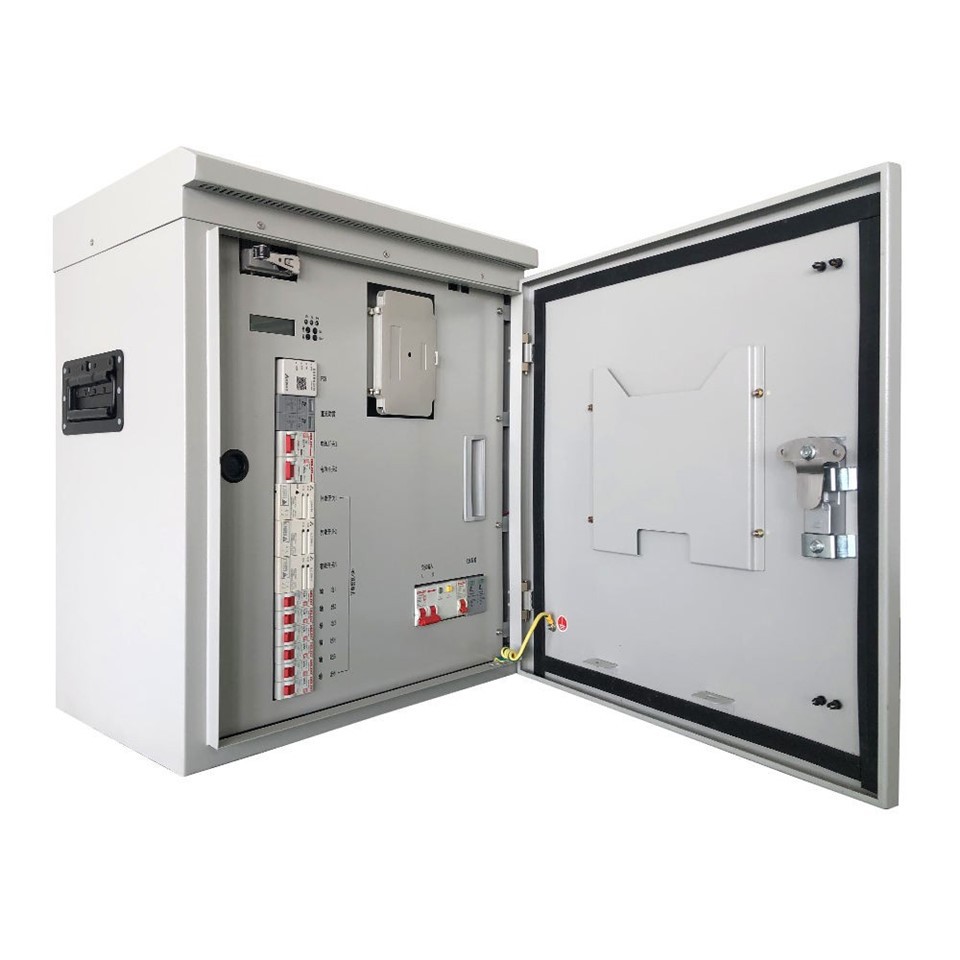
For example, some solar panel ground mount racks are designed to be compatible with Solar Battery Cabinets. These cabinets can house the batteries and provide a secure and protected environment for them. The integration of the racks and the battery cabinets can also simplify the installation process and reduce the overall footprint of the solar power system.
Moreover, the integration of energy storage systems can also improve the reliability of the solar power system. During periods of low sunlight or high energy demand, the stored energy can be used to power the electrical load, ensuring a continuous supply of electricity.

6. Compatibility with Different Solar Panel Technologies
With the rapid development of solar panel technologies, it is essential for solar panel ground mount racks to be compatible with different types of panels. Newer solar panel technologies, such as thin - film solar panels and high - efficiency monocrystalline panels, have different requirements in terms of mounting and support.
Our company is committed to developing racks that are compatible with a wide range of solar panel technologies. This ensures that our customers can choose the solar panels that best suit their needs and still have a reliable and efficient mounting solution. For example, we have designed racks that can accommodate the different sizes and weights of various solar panels, as well as the specific mounting requirements of thin - film panels.
7. Sustainable Manufacturing Processes
In today's environmentally conscious world, sustainable manufacturing processes are becoming increasingly important. As a supplier of solar panel ground mount racks, we are committed to using sustainable materials and manufacturing methods.
We source our materials from suppliers who adhere to strict environmental standards. For example, we use recycled aluminum in our racks, which reduces the demand for virgin materials and helps to conserve natural resources. In addition, our manufacturing processes are designed to minimize waste and energy consumption.
We also ensure that our products are recyclable at the end of their lifespan. This helps to reduce the environmental impact of our products and contributes to a more circular economy.
Conclusion
In conclusion, there are several new technologies in solar panel ground mount racks that are revolutionizing the solar energy industry. From advanced materials and smart monitoring systems to modular designs and aerodynamic shapes, these technologies are improving the efficiency, durability, and sustainability of solar power systems.
As a supplier of Solar Panel Ground Mount Racks, we are at the forefront of these technological advancements. We are constantly researching and developing new products to meet the changing needs of our customers. If you are interested in learning more about our products or have any questions about solar panel ground mount racks, we encourage you to contact us for a procurement discussion. We look forward to working with you to create a more sustainable future through solar energy.
References
- Smith, J. (2022). Advances in Solar Panel Mounting Technologies. Journal of Renewable Energy, 15(3), 234 - 245.
- Johnson, A. (2021). The Impact of New Materials on Solar Panel Racks. Solar Energy Research, 20(2), 123 - 135.
- Brown, C. (2020). Smart Monitoring Systems for Solar Power Plants. Energy Management Journal, 18(4), 345 - 356.