

Hey there! As an electrical cabinet supplier, I know how crucial it is to ensure the reliability of these cabinets. In this blog, I'll share some key steps and considerations to make sure your electrical cabinets perform at their best.
1. Quality Materials Matter
First off, the materials used in building electrical cabinets are super important. You want to use high - quality metals like stainless steel or galvanized steel. Stainless steel is corrosion - resistant, which is great if the cabinet is going to be in a harsh environment. Galvanized steel also offers good protection against rust.
For example, if you're looking for a DC Enclosure Cabinet, you need a cabinet that can handle the electrical components safely. The right material will ensure that the cabinet can withstand the electrical currents and environmental factors. Check out our DC Enclosure Cabinet for a great option.
2. Proper Design and Layout
The design and layout of an electrical cabinet can make or break its reliability. You need to plan the placement of components carefully. Make sure there's enough space between different parts to prevent overheating. Overcrowding can lead to short - circuits and other electrical problems.
When designing a Wall Mounted Electrical Cabinet, you have to consider the weight distribution. It should be balanced so that it can be securely mounted on the wall. Our Wall Mounted Electrical Cabinet is designed with these factors in mind, ensuring a stable and reliable installation.
3. Good Ventilation
Ventilation is a must - have for electrical cabinets. Electrical components generate heat, and if that heat isn't dissipated properly, it can cause damage. You can install fans or vents in the cabinet to keep the air flowing.
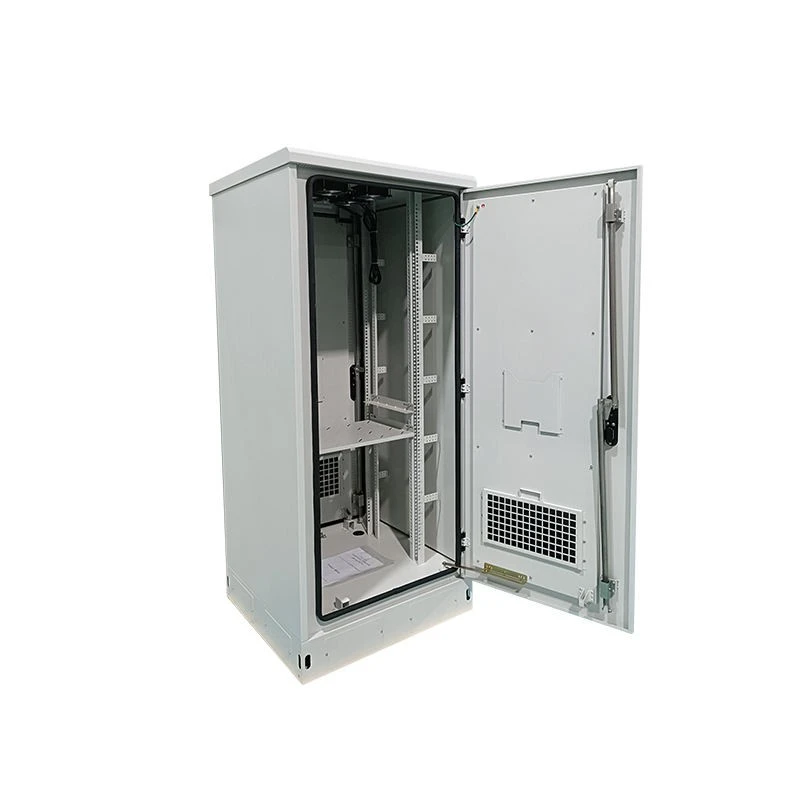
For an Outdoor Electrical Enclosure Box, ventilation becomes even more critical. The outdoor environment can be hot, and without proper ventilation, the internal temperature can skyrocket. Check out our Outdoor Electrical Enclosure Box which is designed with effective ventilation systems.
4. Sealing and Protection
Sealing is essential to protect the electrical components inside the cabinet from dust, moisture, and other contaminants. A well - sealed cabinet can prevent short - circuits and other electrical failures. You should use gaskets and seals that are made from high - quality materials.
In areas with high humidity or where there's a risk of water splashes, a properly sealed cabinet is a must. This is especially important for outdoor cabinets. Our outdoor enclosures are designed to be weather - resistant, providing reliable protection for your electrical equipment.
5. Regular Maintenance
Regular maintenance is key to ensuring the long - term reliability of electrical cabinets. You should inspect the cabinets regularly for any signs of wear and tear, loose connections, or corrosion. Tighten any loose screws and replace any damaged components.

It's also a good idea to clean the cabinets periodically to remove dust and debris. This can help prevent overheating and other electrical problems.
6. Testing and Certification
Before a cabinet is put into use, it should be thoroughly tested. This includes electrical testing to make sure all the components are working properly and that there are no short - circuits. You should also test the cabinet's ability to withstand environmental factors like temperature and humidity.
Certification is also important. Look for cabinets that meet industry standards. This gives you an assurance that the cabinet has been tested and meets certain quality and safety requirements.
7. Staff Training
If your staff is going to be working with the electrical cabinets, they need to be properly trained. They should know how to operate, maintain, and troubleshoot the cabinets. This can prevent a lot of problems and ensure the reliable operation of the cabinets.
8. Monitoring and Upgrades
Monitoring the performance of the electrical cabinets is a good way to catch any potential problems early. You can use sensors to monitor temperature, humidity, and other parameters. If you notice any abnormal readings, you can take action before a major problem occurs.
As technology advances, you may also need to upgrade your electrical cabinets. New components may offer better performance and reliability. Upgrading can also help you meet new industry standards.
Conclusion
Ensuring the reliability of an electrical cabinet is a multi - step process. From using high - quality materials to regular maintenance and monitoring, every aspect plays a crucial role. As an electrical cabinet supplier, we're committed to providing you with cabinets that are reliable and meet your needs.
If you're interested in purchasing electrical cabinets or have any questions about ensuring their reliability, feel free to get in touch with us. We're here to help you make the right choice for your electrical needs.
References
- Electrical Equipment Handbook: Design and Application of Electrical Systems in Buildings, by Pierre - Jean Arnaud
- Handbook of Electrical Engineering, by John G. Webster