

As a supplier of Solar Panel Mounting Frames, I understand the critical role these components play in the overall efficiency and longevity of solar energy systems. Evaluating the quality of solar panel mounting frames is not just a technical necessity; it's a fundamental step in ensuring that solar installations are safe, durable, and capable of withstanding the test of time and environmental challenges. In this blog, I'll share some key factors to consider when assessing the quality of these essential components.
Material Quality
The choice of material is the cornerstone of a high - quality solar panel mounting frame. The most commonly used materials are aluminum and steel, each with its own set of advantages.
Aluminum is a popular choice due to its lightweight nature, which makes installation easier and reduces the load on the building structure. It also has excellent corrosion resistance, especially when it is anodized. Anodizing is an electrochemical process that forms a protective oxide layer on the aluminum surface, enhancing its durability. When evaluating aluminum frames, check the thickness of the anodized layer. A thicker layer generally means better protection against corrosion. Look for frames made from high - grade aluminum alloys, such as 6061 or 6063, which offer good strength - to - weight ratios.
Steel frames, on the other hand, are known for their high strength. They can support heavier loads and are more suitable for large - scale solar installations or areas with high wind and snow loads. However, steel is prone to rusting if not properly coated. Galvanization is a common method to protect steel frames. Hot - dipped galvanizing provides a thick and durable zinc coating that adheres well to the steel surface, offering long - term corrosion protection. When examining steel frames, inspect the quality of the galvanized coating for any signs of peeling, cracking, or unevenness.
Structural Design
The design of the mounting frame is crucial for its performance. A well - designed frame should provide stable support for the solar panels and distribute the weight evenly across the structure.
One important aspect of the design is the adjustability. Frames that allow for angle adjustment can optimize the solar panel's exposure to sunlight throughout the day and across different seasons. This adjustability can significantly increase the energy output of the solar system. For example, in regions with a large seasonal variation in sunlight angles, an adjustable frame can be a game - changer.
Another design consideration is the ease of installation. A frame with a simple and intuitive design will save time and labor costs during installation. Look for frames that come with pre - drilled holes, snap - on components, or modular designs that can be easily assembled on - site. Additionally, the frame should be compatible with different types and sizes of solar panels to ensure versatility.
Compatibility and Integration
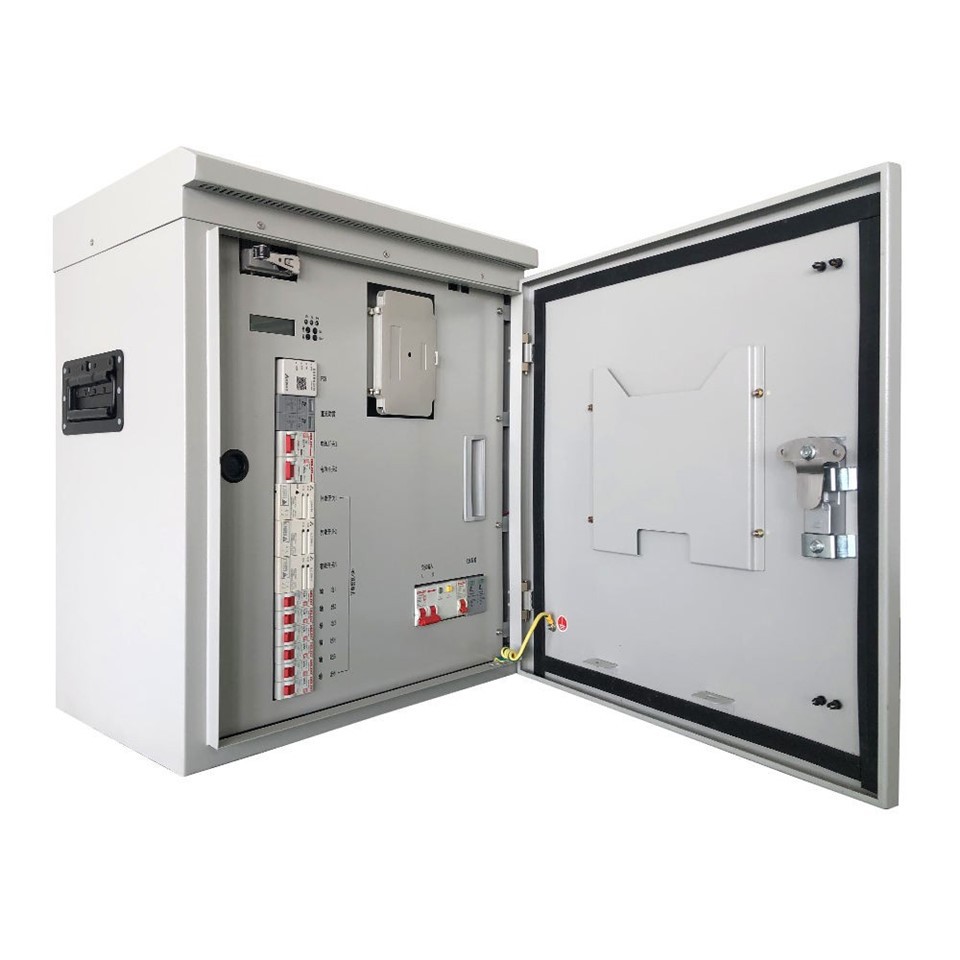
Solar panel mounting frames need to be compatible with other components of the solar energy system, such as Solar Battery Cabinets and Solar Inverter Parts. Compatibility ensures seamless integration and optimal performance of the entire system.
The frame should be designed to work with the specific type of solar panels it is intended for. This includes considerations such as the panel's dimensions, weight, and mounting points. Incompatible frames can lead to improper installation, which may cause stress on the panels and reduce their lifespan.
Moreover, the mounting frame should be able to integrate with the electrical components of the solar system. For example, it should provide easy access for wiring and grounding to ensure a safe and efficient electrical connection.

Weather Resistance
Solar panels are exposed to a wide range of weather conditions, from intense sunlight and high temperatures to heavy rain, snow, and strong winds. Therefore, the mounting frame must be able to withstand these elements.
UV resistance is essential for frames that are constantly exposed to sunlight. Over time, UV rays can degrade the material of the frame, causing it to become brittle and lose its strength. Look for frames that are treated with UV - resistant coatings or made from materials that inherently have good UV resistance.
Waterproofing is another critical factor. Frames should be designed to prevent water from pooling or seeping into the structure, which can lead to corrosion and damage. This can be achieved through proper sealing, drainage channels, and the use of waterproof materials in critical areas.
In areas prone to high winds and snow, the frame should have a high wind and snow load capacity. Manufacturers usually provide specifications for the maximum wind and snow loads that their frames can withstand. Make sure to choose a frame that meets or exceeds the requirements of the installation location.
Certification and Standards
Certification is a reliable indicator of the quality of solar panel mounting frames. Reputable manufacturers will have their products tested and certified by recognized international standards organizations.
Some of the common certifications include UL (Underwriters Laboratories) certification in the United States, CE (Conformité Européene) certification in Europe, and IEC (International Electrotechnical Commission) standards. These certifications ensure that the frames meet specific safety, performance, and quality requirements.
When evaluating a frame, ask the supplier for copies of the relevant certifications. This not only gives you confidence in the product's quality but also ensures that the installation complies with local regulations.
Manufacturer Reputation and Support
The reputation of the manufacturer is an important consideration. A manufacturer with a long - standing history of producing high - quality products is more likely to provide reliable and durable mounting frames.
Look for manufacturers that have a good track record of customer satisfaction. You can check online reviews, testimonials, and case studies to get an idea of their reputation. Additionally, a manufacturer that offers good after - sales support, such as technical assistance and warranty coverage, is a valuable partner.
Cost - Effectiveness
While quality is paramount, cost - effectiveness is also an important factor. When evaluating the cost of a solar panel mounting frame, consider not only the initial purchase price but also the long - term costs.
A high - quality frame may have a higher upfront cost but can save money in the long run by reducing maintenance and replacement costs. On the other hand, a cheap frame that fails to meet quality standards may end up costing more in the long term due to frequent repairs and replacements.
Compare the prices of different frames based on their quality, features, and performance. Look for a balance between cost and quality to ensure that you get the best value for your investment.
Conclusion
Evaluating the quality of solar panel mounting frames is a multi - faceted process that requires careful consideration of various factors. From material quality and structural design to weather resistance and certification, each aspect plays a crucial role in determining the performance and longevity of the frame.
As a supplier of Solar Panel Mounting Frames, I am committed to providing high - quality products that meet the diverse needs of our customers. If you are in the market for solar panel mounting frames and want to discuss your specific requirements, please feel free to reach out. We are here to help you make an informed decision and ensure the success of your solar energy project.
References
- International Electrotechnical Commission (IEC). "IEC Standards for Solar Energy Systems."
- Underwriters Laboratories (UL). "UL Certification for Solar Products."
- Conformité Européene (CE). "CE Marking for Solar Equipment."